With Reflex++, you get the best of both worlds.
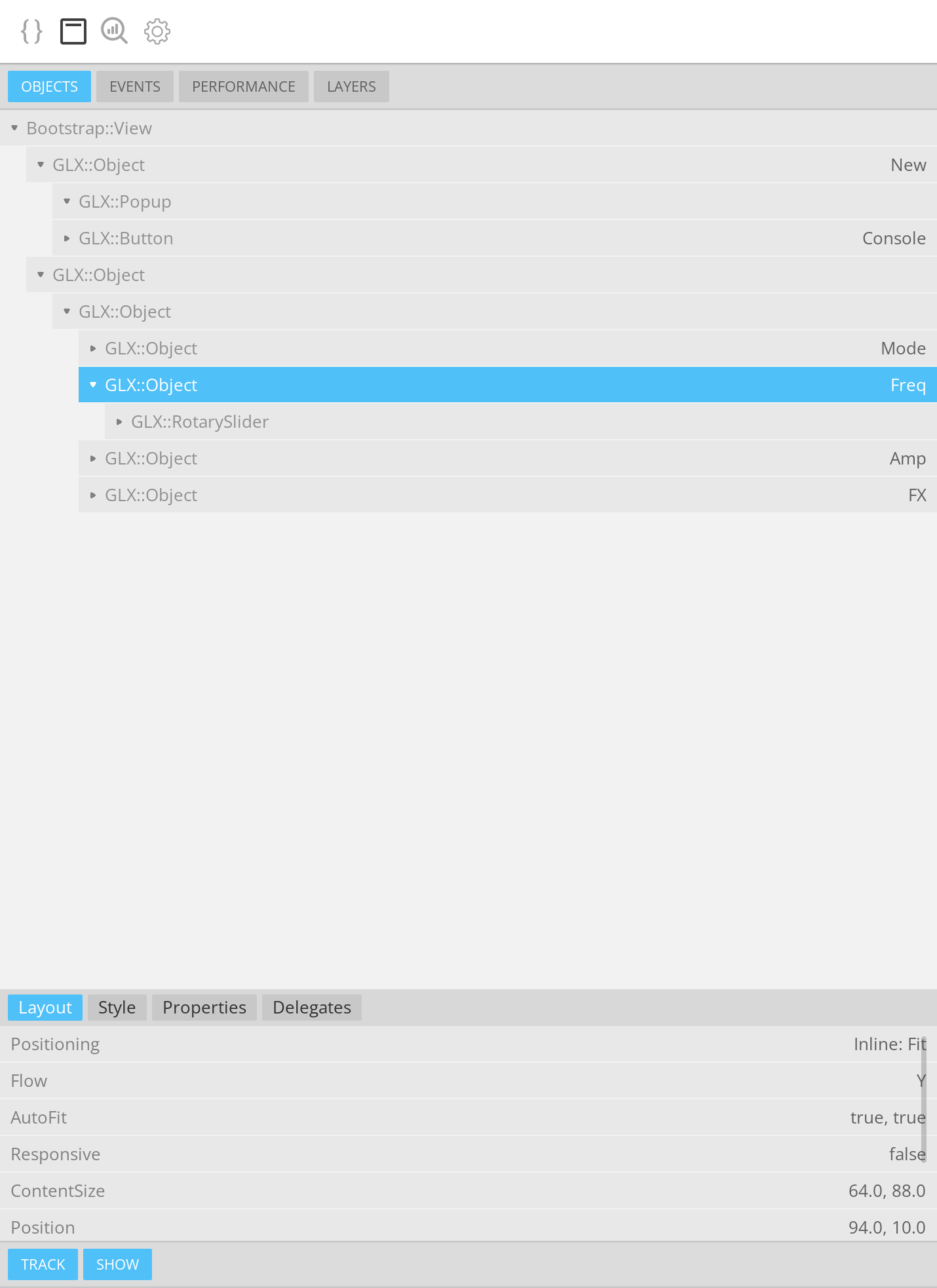
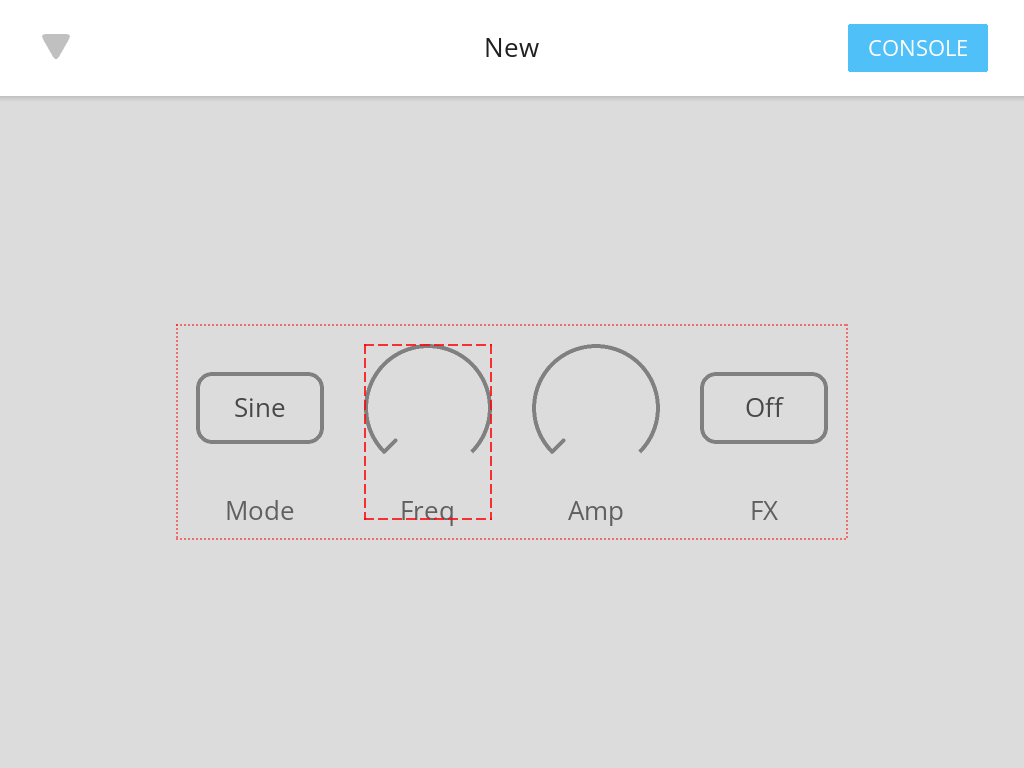
Reflex++ introduces a first-class Object model with a dynamic property system, purpose-built for rapid development and modern UI workflows.
Properties are data-driven, introspectable, serializable, and integrate seamlessly with structured formats like JSON.
This unlocks the speed and flexibility developers expect from web and dynamic languages, yet with native performance, fast compile times and tiny binaries.
All high-level features are in turn built on lower level API’s and primitives, including platform abstractions, SIMD operations, GPU rendering, and low-latency audio.
Reflex++ delivers a single, coherent native stack, combining the productivity of modern frameworks with the flexibility and performance of traditional C++ development.
Reflex features a complete GPU-powered UI, with powerful layout model, stylesheets and hot reloading. Everything good about HTML/CSS/JS webviews without the legacy, bloat and having to manage two sets of state.
Hot reloading of stylesheets. No need to recompile to view changes and iterate. See your UI updates instantly while maintaining native C++ performance.
Write once, deploy everywhere. Build native applications for Windows, macOS, iOS, and Android from a single codebase without compromising on platform-specific performance.
Zero runtime overhead. Your UI code compiles to native machine code, delivering the raw performance that C++ developers expect. No interpreters, no virtual machines, means straightforward debugging and best in class performance.
Move fast solo, or scale up without chaos.
Reflex++ is organised as a layered collection of focused C++ modules, with intuitive namespaces and consistent APIs that make the framework straightforward to navigate and extend.
The modular architecture and strong separation of concerns allow individuals and teams to work efficiently, from small tools and plugins to large-scale applications and codebases.
Use the full Reflex++ stack, or adopt only the modules you need.
While typically used as a complete native application framework, Reflex++ can also be integrated selectively alongside existing engines, frameworks, and build systems.
See our JUCE integration example for a practical example of embedding Reflex GLX into an existing JUCE application.
Application startup and framework entry scaffolding.
Reflex++ combines declarative data and styling with powerful C++ APIs.
Write once, deploy everywhere.
Reflex++ is built to deliver cross-platform software with real-time responsiveness, high-performance execution, and rich GPU-accelerated UIs. With built-in low-latency audio support and first-class plugin integration, Reflex++ is a natural fit for pro-audio development.
Build powerful desktop applications for macOS and Windows.
 macOS
macOS Windows
Create native mobile experiences for iOS and Android.
iOS Android
Low-latency audio engines and plugin development.
 VST 3Audio UnitsAUv3
 CLAP
CLAPCommand line tools, build systems and automation.
 LinuxWindowsmacOS
We built Reflex++ to be the most lightweight, high-performance cross-platform C++ framework available.
Modern apps in C++ are just a few clicks away...